What is Calibration
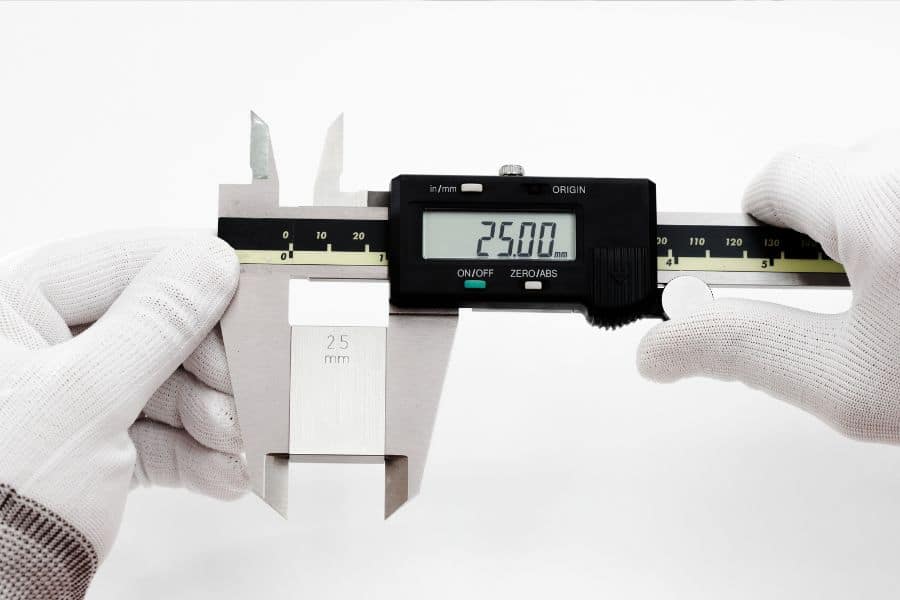
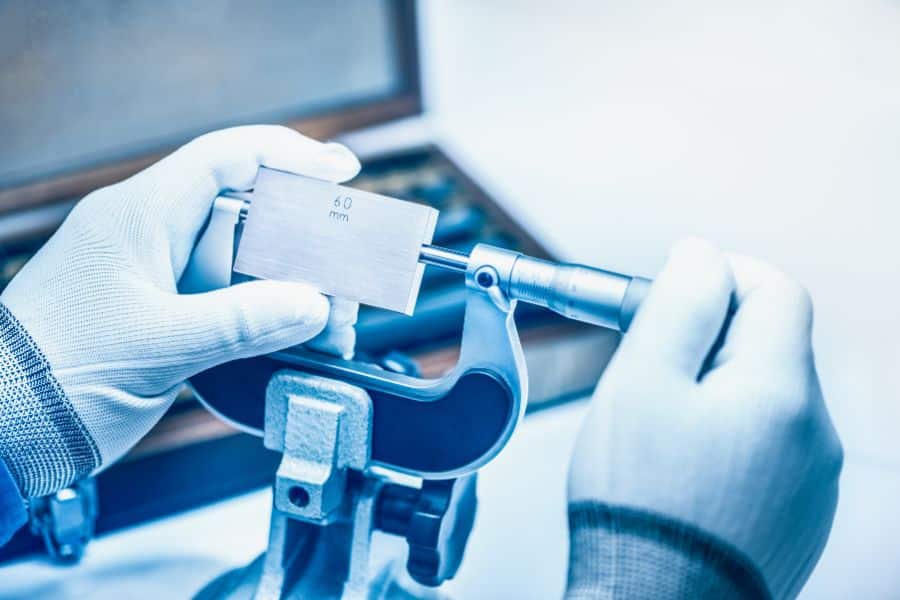
Calibration is the process of standardizing measuring instruments to ensure they provide accurate and reliable readings. This is done by comparing the instrument’s measurements against a known standard.
Why is Calibration Important
Calibration is necessary to maintain measurement accuracy. It ensures consistency across different instruments, which is vital for quality control. Here are some reasons why regular calibration is so important:
- Accuracy and Reliability: Calibration maintains the accuracy of instruments. Precise measurements are crucial in manufacturing processes. Reliable data ensures products meet specifications and perform as intended. Without regular calibration, measurement errors can lead to defective products and costly rework.
- Compliance with Standards: Calibration helps industries comply with regulatory standards. Many sectors, such as aerospace and automotive, have strict quality and safety regulations. Calibrated instruments ensure that products adhere to these standards, avoiding legal issues and maintaining market access.
- Process Optimization: Regular calibration improves process efficiency. Accurate measurements reduce variability in production, leading to consistent quality. This optimization minimizes waste, lowers production costs, and increases overall efficiency.
- Extended Instrument Life: Calibrated instruments experience less wear and tear. Regular checks and adjustments keep instruments functioning correctly, extending their lifespan. This longevity reduces the need for frequent replacements, saving costs over time.
- Improved Product Quality: Calibration directly impacts product quality. Consistent and precise measurements ensure that products are manufactured to exact specifications. High-quality products lead to customer satisfaction, repeat business, and a strong reputation in the market.
The Role of Metrology in Calibration
Metrology, the science of measurement, is integral to calibration. It provides the framework and standards necessary for precise measurements, and calibration relies on metrology to maintain accuracy and consistency.
Standards and traceability are core components of metrology. Traceability links measurements to national or international standards. This connection ensures that calibrations are consistent and reliable across different locations and times.
Organizations like the National Institute of Standards and Technology (NIST) and the International Organization for Standardization (ISO) develop and maintain measurement standards, which provide reference points for calibrating instruments.
Without metrology, calibration would lack consistency. Metrology ensures that instruments perform accurately, meeting stringent industry requirements. This connection between metrology and calibration is essential for quality control and process optimization across various industries.
Automated Calibration Systems
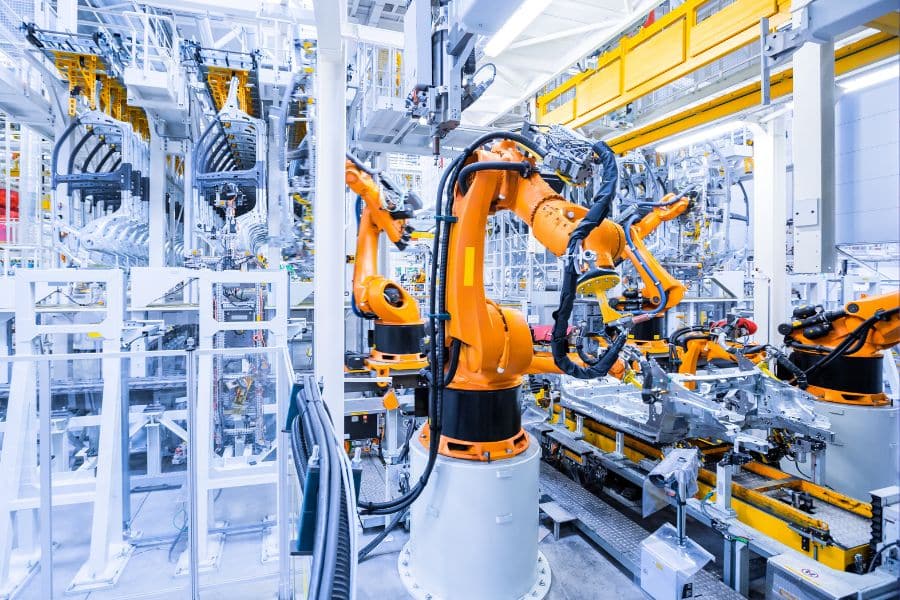
Many industries now use automated calibration systems to streamline the calibration process. These systems perform repetitive tasks with high accuracy, reducing labor costs and increasing throughput. The integration of advanced techniques improves calibration outcomes. These innovations lead to better process control, higher product quality, and lower operational costs. As technology advances, calibration methods will continue to evolve, providing even greater precision and efficiency.
Final Thoughts
Calibration maintains instrument accuracy, ensures compliance with standards, and optimizes processes. Regular calibration extends the life of instruments and improves product quality. Advanced Spectral Technology is ISO 9001:2015 certified and can help service and calibrate select measurement systems to keep their certifications up to date and in compliance per company, industry, and government standards. For more information on these services, Contact us today to learn more.